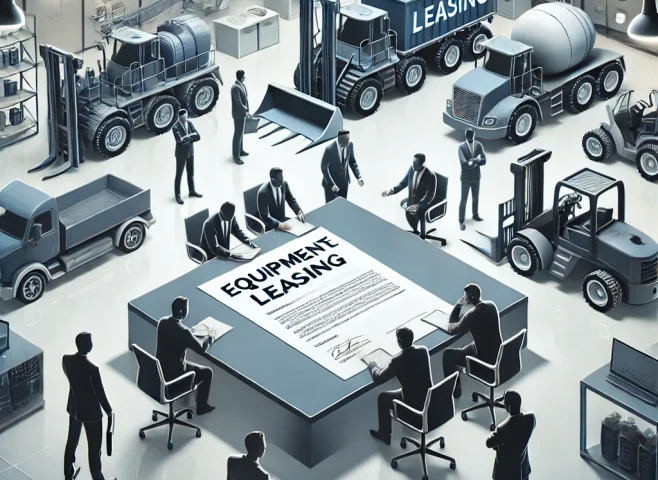
Leasing equipment is a great way for businesses to acquire necessary tools without the heavy upfront costs of purchasing. However, many business owners and managers overlook the hidden costs that can make leasing more expensive than expected. In this blog, we’ll highlight some of these hidden expenses so you can make a more informed decision when leasing equipment.
1. High Interest Rates and Fees
While leasing helps preserve cash flow, some lease agreements come with high interest rates, making the total cost of the lease significantly higher than purchasing outright. Be sure to compare rates and understand the total cost of ownership before signing a lease.
Solution:
Negotiate for lower interest rates and ask for a full breakdown of fees before committing to a lease agreement.
2. Maintenance and Repair Costs
Some leasing companies include maintenance in their contracts, while others leave these costs up to the lessee. If you’re responsible for repairs, unexpected breakdowns can lead to major expenses.
Solution:
Check if maintenance is included in your lease. If not, factor in the potential costs of servicing and repairs when deciding whether to lease or buy.
3. Early Termination Fees
If your business needs change and you want to end your lease early, you may face hefty early termination penalties. Some companies charge a percentage of the remaining lease payments or even the full remaining balance.
Solution:
Read the contract carefully and ask about early termination terms before signing. Opt for flexible lease agreements when possible.
4. End-of-Lease Buyout Costs
Many businesses opt for lease-to-own agreements, thinking they will acquire the equipment at a low price when the lease ends. However, some contracts have a higher-than-expected buyout price, making it more expensive than anticipated.
Solution:
Understand your lease-end options. If purchasing at the end of the lease is your goal, negotiate for a fair buyout price upfront.
5. Overuse or Damage Fees
Some lease agreements impose fees for excessive wear and tear or exceeding usage limits. These fees can be unexpected and costly.
Solution:
Ask about usage restrictions and the expected wear-and-tear conditions. Follow proper maintenance practices to avoid penalties.
6. Insurance Costs
Leasing companies often require the lessee to carry insurance on the equipment. Depending on the type of equipment and the lease agreement, insurance costs can be higher than expected.
Solution:
Get quotes from multiple insurance providers and factor this cost into your total leasing budget. Some leasing companies offer bundled insurance at competitive rates.
7. Hidden Administrative Fees
Some leasing companies charge processing fees, documentation fees, or other administrative costs that may not be clearly stated upfront. These fees can add up over time.
Solution:
Request a detailed breakdown of all fees before signing a lease agreement. Negotiate to remove or reduce unnecessary charges.
Leasing equipment can be a smart business decision, but hidden costs can turn a good deal into an expensive mistake. By carefully reviewing the lease agreement, negotiating terms, and planning for additional expenses, you can avoid financial surprises and make the most of your equipment lease.